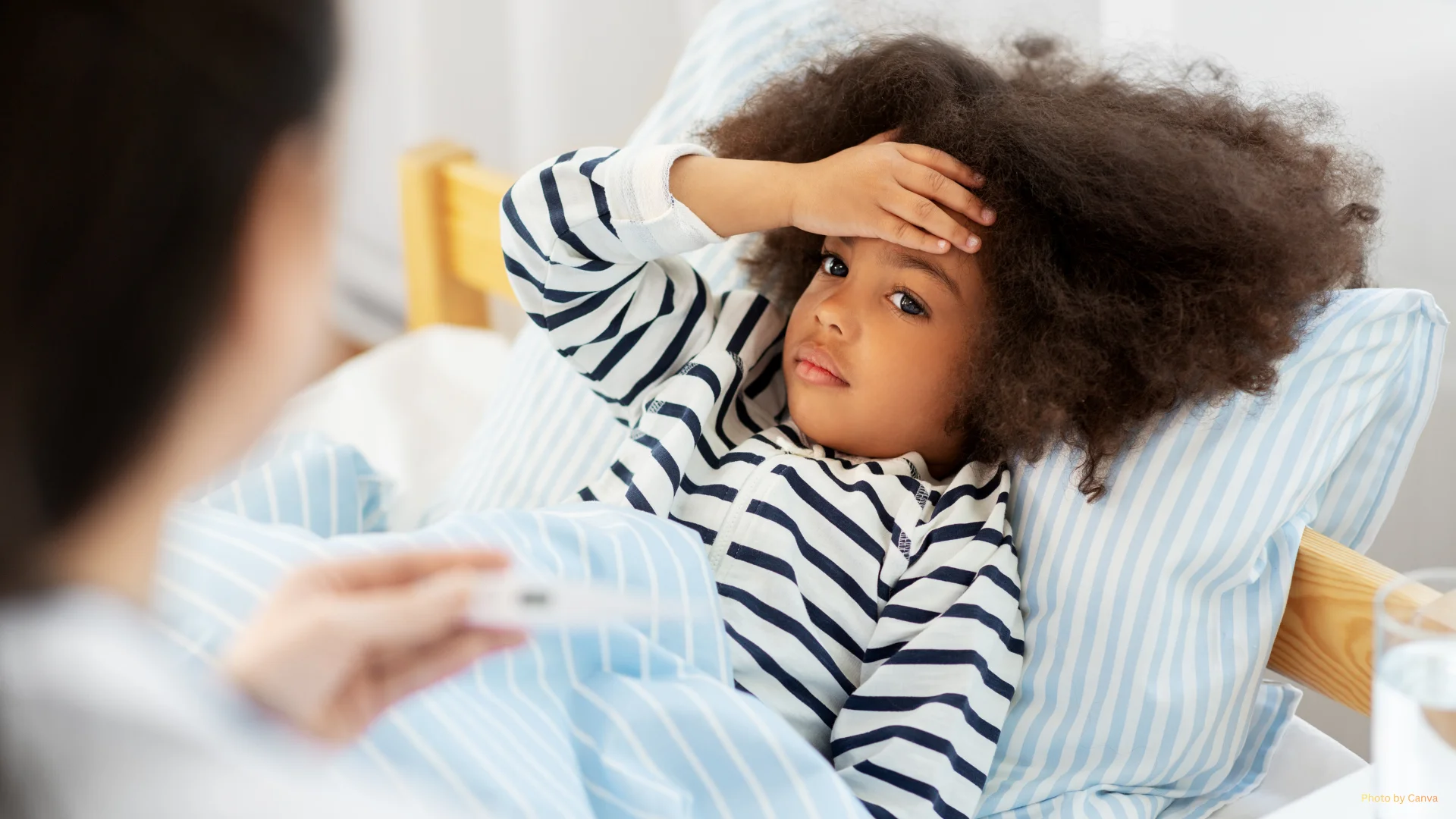
It usually starts with a stomachache that arrives around the time the backpack comes out, and it often leaves soon after a parent says the child can stay home. By the middle of the fall term, many families have met some version of that pattern, and the hard part is not the first morning but deciding what to do with the second.
Anxiety-based school refusal affects an estimated 2 to 5 percent of school-age children, according to the Anxiety and Depression Association of America, and clinicians are close to unanimous on the core response: treat the physical symptoms as real, keep the child connected to school, and get help early when the pattern holds. Letting avoidance settle in tends to make the fear larger rather than smaller.
The Backdrop: Better Numbers, Same Mornings
The newest federal data offer some relief. In the 2025 Youth Risk Behavior Survey, released by the Centers for Disease Control and Prevention in September, 33 percent of high school students reported persistent feelings of sadness or hopelessness in the past year, down from 40 percent in 2023 and 42 percent in 2021, according to the CDC's summary. The same page rates that measure as improved over two years and worsened over ten, since it stood at 30 percent in 2015.
Girls continued to report far higher rates than boys, at 43 percent compared with 24 percent in 2025. The 2025 figure is a 7-percentage-point drop from 2023.
Attendance has been slower to recover. RAND researchers estimated that roughly 22 percent of K-12 students nationally were chronically absent in the 2024-25 school year, and when RAND asked young people why they missed school, 10 percent said they had stayed home because they felt down or anxious, behind sickness at 67 percent, according to its 2025 report.
What School Avoidance Looks Like
"School avoidance is a more prevalent problem than many people realize," says Eli Lebowitz, a psychologist at the Yale Child Study Center, in a Yale Medicine explainer. The ADAA describes children who "complain of physical symptoms shortly before it is time to leave for school or repeatedly ask to visit the school nurse," and notes that if the child stays home, "the symptoms quickly disappear, only to reappear the next morning."
The American Academy of Child and Adolescent Psychiatry lists headaches, sore throats and stomachaches among the common complaints, and its guidance for families says refusal often begins after a stretch at home that brought a child closer to a parent, such as a summer vacation, a holiday break or a brief illness. Transitions raise the risk as well, with ADAA pointing to ages five and six, ten and eleven, and the moves into middle and high school.
Many parents describe a Sunday night version of the pattern, with dread building as the weekend closes and the first absence landing on Monday. That timing is something families report rather than a research finding, though the American Academy of Family Physicians notes that some children have trouble going back after weekends or vacations, according to a clinical review by Dr. Wanda Fremont.
Why Staying Home Makes It Harder
"Headaches and stomachaches related to anxiety are still real feelings, and we want to take them seriously," says Amanda Greenspan, a clinical social worker at the Child Mind Institute.
The same clinicians are clear that relief at home teaches the wrong lesson. "If we're allowing them to avoid it," Greenspan says, "then they're not able to learn that they can tolerate it." Janine Domingues, a psychologist at the institute, says parents often tell her that a single day at home "led to three months" away from school.
"So we work with parents a lot around how to find that balance between enabling anxiety and meeting a child where they are," Domingues says. That balance starts with a medical check to rule out illness, followed by a calm, predictable morning in which the child still goes, even if the first goal is arriving late or staying for half a day.
Meeting a child where they are can sound like naming the feeling out loud, agreeing on one small step for the day and praising the step once it is done. It rarely sounds like a debate at the front door, which hands the anxious part of the child a fresh chance to win the argument each morning.
The Parent-Led Approach With Evidence Behind It
A Yale clinical trial gave parents a larger role than many families expect. In a study of 124 children ages seven to fourteen with anxiety disorders, Lebowitz and colleagues compared 12 sessions of SPACE, a program that works only with parents, against 12 sessions of cognitive behavioral therapy delivered to the child, and reported that "SPACE was noninferior, relative to CBT, on primary and secondary anxiety outcomes," in the Journal of the American Academy of Child and Adolescent Psychiatry.
About 60 percent of children in both groups no longer met criteria for any anxiety disorder after treatment, according to a summary of the findings, and SPACE produced a significantly larger drop in family accommodation, the many small adjustments parents make to spare a child distress. The trial covered childhood anxiety broadly rather than school refusal alone, yet accommodation is often what keeps a child home, from the extra sick day to the phone call excusing a missed test.
For the child, the standard approach is gradual exposure. Child Mind Institute psychologist Rachel Busman describes early steps such as driving past the school or walking its empty halls on a weekend, then attending one or two classes, then building to full days, in an article on school refusal. "The primary treatment goal for children with school refusal is early return to school," Fremont wrote in the AAFP review.
A Plan for the Next Hard Morning
Schedule a pediatric visit first, since ruling out a physical cause lets everyone respond to the anxiety with confidence. Then bring the school in, starting with the counselor or nurse, and agree on a short plan that names where the child goes on arrival, who checks in with them and how a nurse visit ends with a return to class rather than a call home.
Keep mornings boring and consistent, with the same wake time, the same breakfast and the same departure, and acknowledge the worry without negotiating over attendance. A family check-in at the end of the week, built on the twenty-minute family meeting habit, gives the child a predictable place to talk about what was hard.
Ask for professional help if the refusal lasts more than a few days, spreads to other activities or comes with signs of depression. AACAP advises families to consult "a qualified mental health professional, who will work with them to develop a plan to immediately return the child to school and other activities." If anxiety is affecting learning, a parent can also request a written evaluation for supports, and our guide to what to demand in writing explains how that process works.
Families looking for more on the first signs of trouble can read what school anxiety looks like before the first day from TheStandardNY. The children in the Yale trial got better through their parents' changes as often as through their own therapy, and for most families that work starts on an ordinary weekday morning, with the car door open and the backpack already packed.